
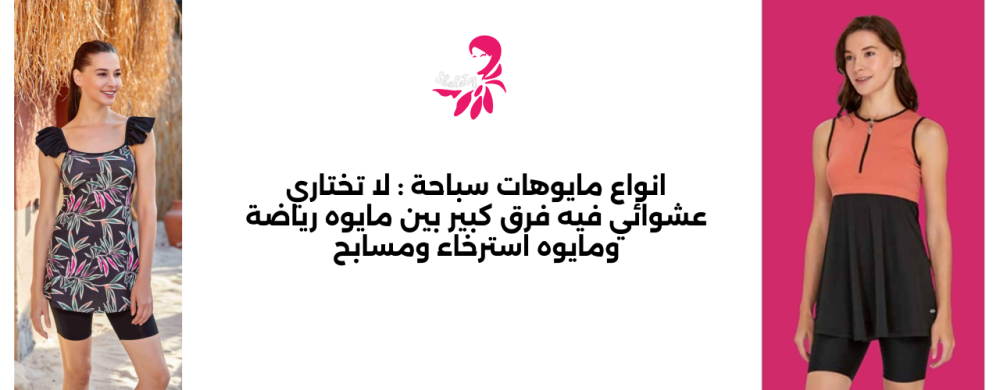
Choosing a swimsuit isn't just about color and style; it's a decision tied to how you use it, your daily activities, and your inner sense of comfort and freedom. The pool isn't just a place to swim; it's a space for movement, for breathing, and perhaps a temporary escape from the pressures of life. That's why every detail needs to be considered: How will you sit? How will you move? How will you feel wearing the swimsuit?
Whether you're looking for a sporty swimsuit to accompany you through intense workouts, providing support and stability during dives, or a relaxing piece to wear while basking in the sun on the beach, there are swimsuits to suit every moment and mood. Some are designed to be practical and durable, while others subtly enhance your beauty without declaring it, but rather suggesting it. The difference between them goes deeper than just a detail in the cut or fabric; it's a reflection of what you truly need at that moment.
The 10 most popular types of swimsuits for 2025: Which one suits you?
Here is an updated list indicating the most popular types of swimsuits this season:
- Full sports swimsuit: Full Lycra-Spandex cover-up designed for free and stable body movement in the water.
- The burkini: a three-piece set including a long blouse, pants, and a hat – an ideal choice for veiled women in sports and relaxation.
- One-piece swimsuit: suitable for leisure sessions; balances beauty and modesty.
- Two-piece swimsuit (two-piece swimwear): Includes a top and pants or shorts that allow for equal or matching layering.
- Swimsuit shorts and blouse: practical for marine activities and ensures comfort of movement and independence.
- Swimsuit covered with a scarf: suitable for light swimming and times of changing between water and land.
- Children's swimsuits: colorful designs and small sizes with reinforced stitching and extra coverage.
- Turkish anti-chlorine swimsuit: A material that maintains its color and shape after repeated use in the pool.
- Lace or chiffon lounge swimsuit: elegant for lounging and sunbathing, not for intense swimming.
- Compression swimsuit: Used for professional sports, it provides support to the muscles during exercise.
By choosing from these types of swimsuits and determining the nature of your use, you will easily reach the ideal option for your summer.
Classic swimsuits: Why do they remain the first choice for many women?
- Simplicity and comfort: Simple one-piece designs in familiar colors and textures combine practicality and timeless appeal, which is the main reason why they have remained among the best types of swimsuits over the years.
- Variety in materials: Chlorine-resistant materials are available that are quick-drying and take shape without being tight or heavy.
- Easy to mix and match with the cover-up swimsuit: The classic shape coordinates simply with additional pieces for covering or modesty, enhancing the effectiveness of the piece for extended periods.
Smart tips before choosing the right swimsuit for your actual use
- Don't choose randomly, think first about the usage pattern (relaxation sports for veiled women).
- Avoid cotton and satin when actually swimming, as they are considered secondary types of swimsuits.
- The classic swimsuit (one piece or two pieces) remains the most attractive and versatile.
- To support your muscles, choose compression swimsuits for water sports.
- Don't forget to wash it after every use to ensure a longer lifespan for the material.
Functional design in the swimsuit industry: Beyond sewing and color
Swimsuits are no longer just pieces of fabric sewn simply for wearing in the water; they have evolved into high-performance, technologically advanced products that blend the science of movement with textile engineering. Today's designs are tested in laboratories that simulate underwater pressure, drag, and fluidity of movement to create models that enhance performance and reduce swimming resistance.
Sports swimsuits, for example, often feature strategically placed seams that support the leg and abdominal muscles and reduce sway during fast swimming. Some companies add internal mesh layers to stabilize the body and achieve optimal flow in the water, while others prioritize using advanced Lycra and polyamide fabrics with smart stretch properties that respond to the body's movements and prevent sagging.
It is an industry that combines fashion, function, beauty, and performance, and every decision in it, from the length of the zipper to the angle of the armhole, is based on rigorous trials and tests aimed at protecting your body and giving you comfort and confidence at the same time.
Common mistakes when buying a swimsuit: avoid them consciously
- Choosing a tight size, thinking it will provide more support, restricts movement and causes discomfort while swimming.
- Ignore the type of activity, such as choosing a swimsuit specifically for the beach in the case of intensive exercise or sports pools.
- Using a swimsuit in saltwater and chlorine without washing it immediately after getting out of the water reduces its lifespan.
- Focusing only on the external appearance without paying attention to the material, such as buying an attractive satin material that does not dry quickly.
- Neglecting to check the size chart, especially when shopping online, leads to receiving an unsuitable item, and this is something that the Shalati team cares about .
- Relying on one swimsuit throughout the season without rotating between more than one piece puts a strain on the fabric and accelerates its deterioration.
- Neglecting details such as internal zippers or double linings, which may bother you later during movement.
- Choosing models without sufficient flexibility hinders putting them on and taking them off easily, especially when wet.
- The belief that all types of swimsuits suit all bodies is incorrect, as the length or cut should sometimes be adjusted to suit the individual shape.
- Forget about trying it on before you buy: Raise your arms and sit or bend over to see if the piece was really designed for you.
Because every day at the pool or beach has a story
A swimsuit is not just a piece of clothing for swimming; it accompanies you every moment, from your first step into the water to soaking up the sun after diving.
Among the various types of swimsuits, there are those that reflect your personality, support your movements, and capture your summer mood. Choose them with love to ensure your trip is beautiful, elegant, and worthy of every moment you spend in the water.
Frequently Asked Questions
What is the difference between a sports swimsuit and a regular swimsuit?
Sports swimwear is designed to support movement and performance, while regular swimwear focuses on comfort or style.
Are there swimsuits that are resistant to ultraviolet rays?
Yes, some swimsuits are equipped with UV technology to protect the skin from the sun.
Is it okay to wear a swimsuit to the gym or during yoga?
This is not recommended, as each activity requires materials and a design appropriate to its nature.
How do I choose a swimsuit that doesn't show body details?
Choose layered designs or double lining and matte materials.
Are dark-colored swimsuits better for swimming?
Darker colors reduce transparency but do not affect water performance.
Does the material of a swimsuit for saltwater differ from that of a swimsuit for swimming pools?
It is preferable to choose a material that is resistant to both chlorine and salt if you are using both types.
How often should a swimsuit be washed?
After every use, even if you haven't swum for a long time.
Are there swimsuits for pregnant women?
Yes, with flexible designs that support the abdomen and adapt to changes in the body.
What is the difference between a burkini swimsuit and a regular hijab swimsuit?
The burkini usually covers the entire body and is used for actual swimming, while the regular one may only cover the body without performance characteristics.
Is a cotton swimsuit harmful for swimming?
Yes, because it retains water, impedes movement, and does not dry out quickly.